Struktur
vor Geist.
At Yoga Core, we reject the noise of hyper-commercial fitness. We return to the skeletal geometry of the body—a brutalist ritual of silence, gravity, and alignment principles.
The Core Thesis
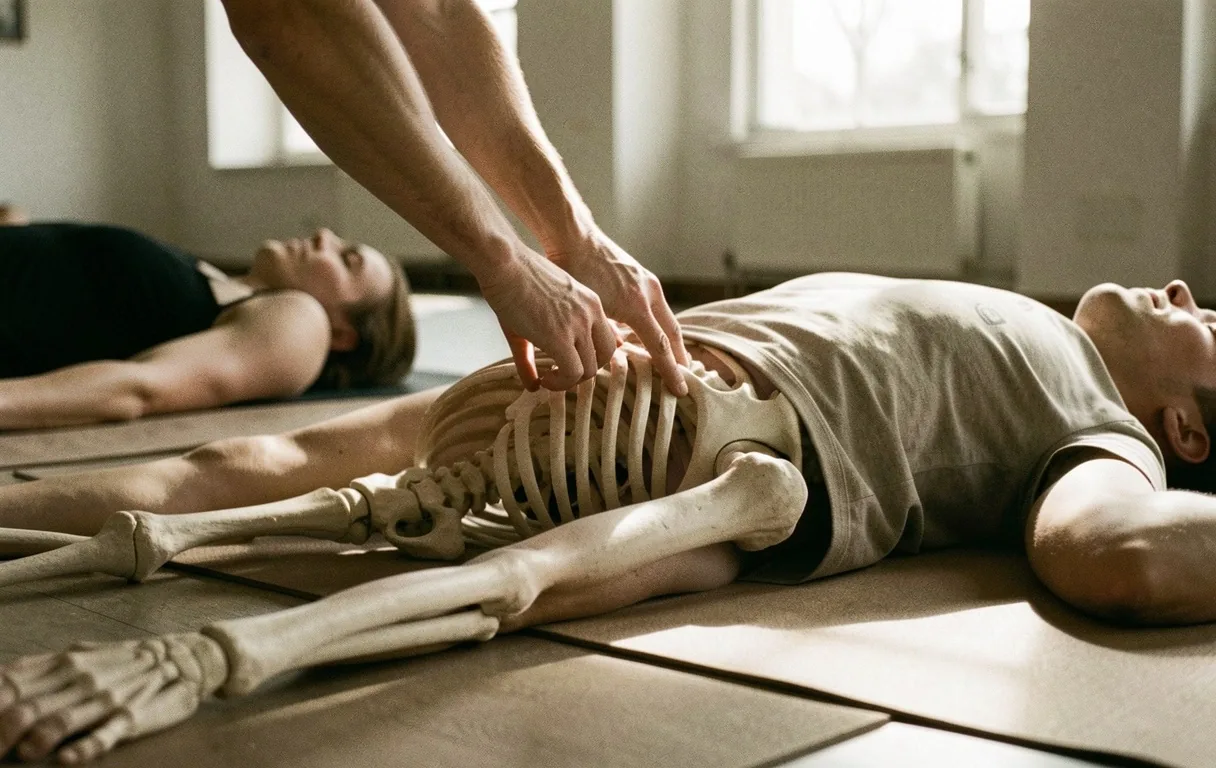
We believe in the body as a structural vessel. Movement is secondary to stability.
Our practice is built on the refusal of excess. In a world of constant motion, we find strength in the static hold—a commitment to the vertical stack mechanics of the spine and the heavy stillness of bone.
This is not about flexibility for the sake of aesthetics. It is about the geometry of alignment—ensuring the pelvis, ribcage, and skull operate as a single, optimized column.
Body Geometry
The 90-Degree Lock
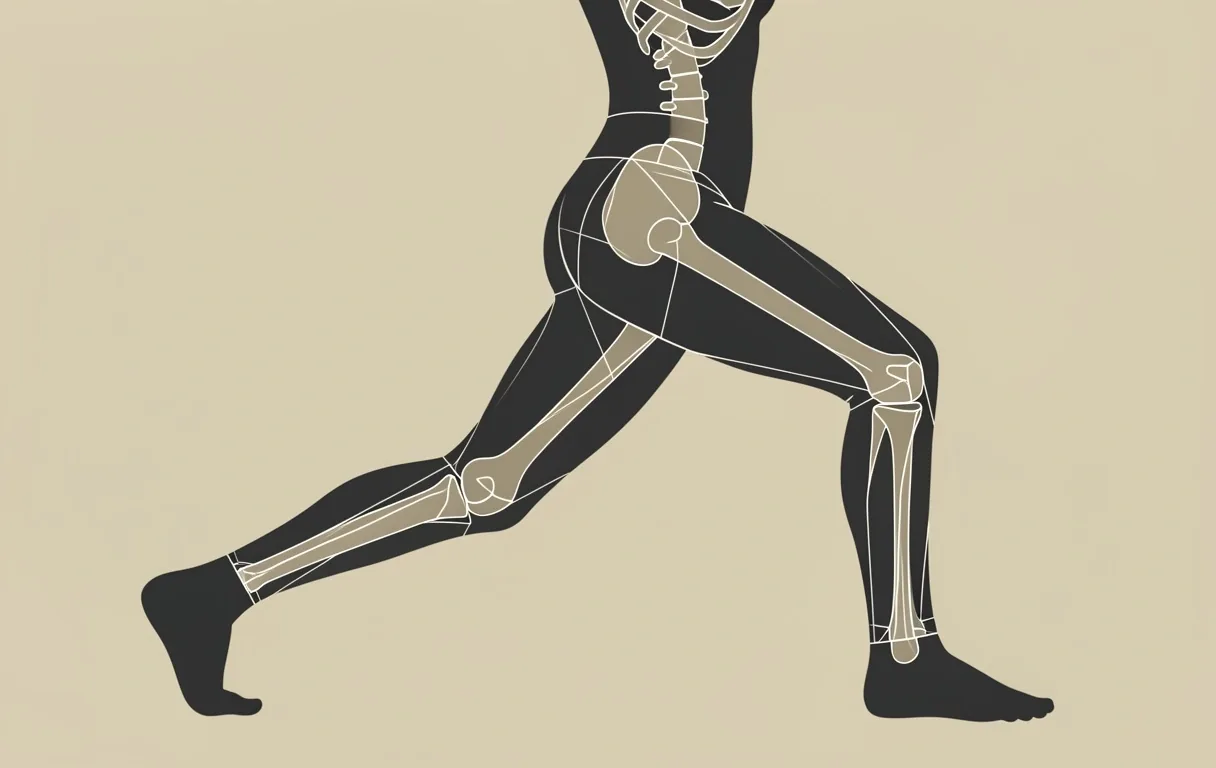
Functional balance is found at the intersection of right angles. We prioritize the hinge of the hip and the shelf of the shoulder to distribute weight through the skeleton rather than fatiguing the muscle.
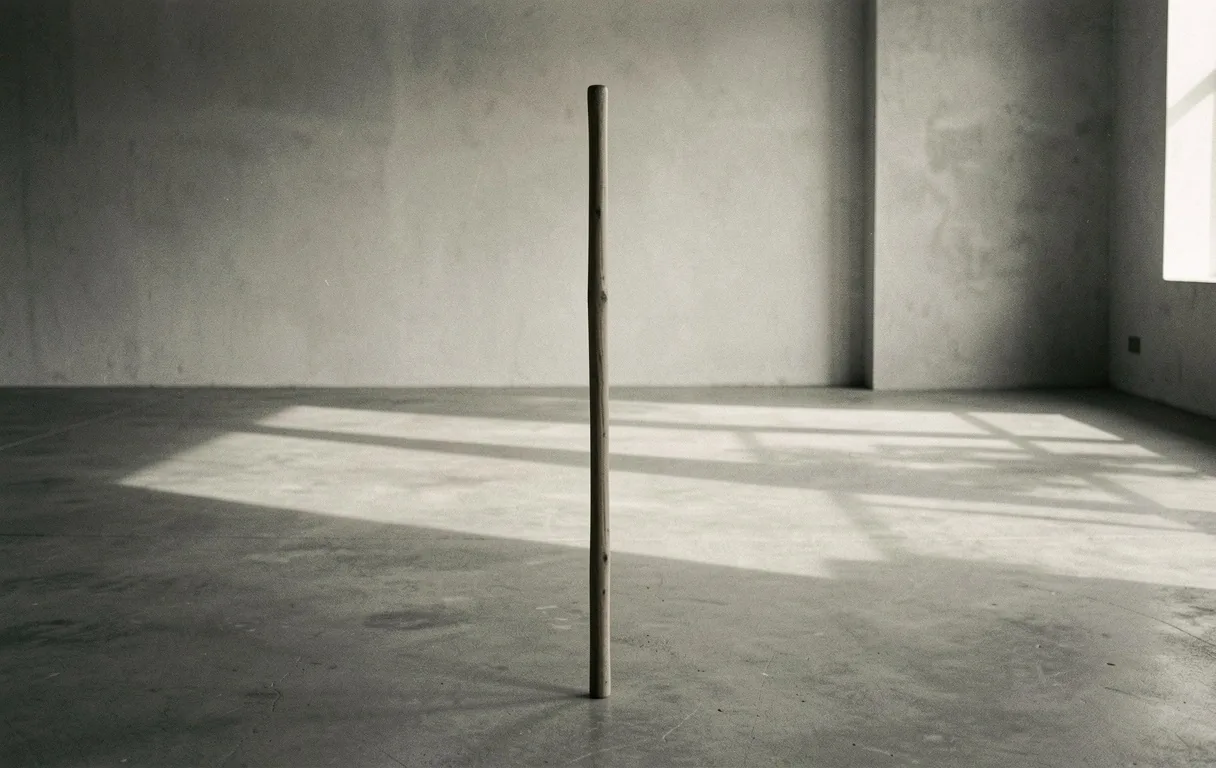
Vertical Stack Mechanics
Every posture is an experiment in gravity. By aligning the femur perfectly over the ankle, we eliminate the unnecessary muscular tension that clutters typical athletic movement.
"The core is not a muscle group; it is a center of gravity."
Principles of Integrated Silence
The Contrast Method
Situating our practice
Fluid Movement
Continuous transitions emphasizing cardio flow and heat through repetition. Often synchronized to music.
The Structural Hold
Extended static duration focusing on bone-to-bone alignment and the absolute absence of background noise.
Maximal Flexibility
Pushing beyond boundaries to achieve intricate visual shapes and peak muscular stretch.
Skeletal Integrity
Movement is regulated by the limits of anatomical safety. We choose stability over extreme mobility.
*Yoga Core is a technical study, not a cardio class. We target intensity through precision.
Practice Pillars
-
Method A
Skelettstabilität
Engaging the intrinsic stabilizers that hold the skeleton together, moving the focus away from superficial muscle engagement.
-
Method B
Kernkompression
Centering breath within the transverse abdominis to support the lumbar spine, creating an internal hydraulic seal.
-
Method C
Stille Praxis
Eliminating distraction to foster a clinical awareness of internal bodily feedback during high-tension holds.
Move from Theory
to Form.
Philosophy is only relevant when practiced. Begin your structural assessment or dive into our technical practice guides designed for the UK practitioner.